
What Is Speech and Drama Enrichment?
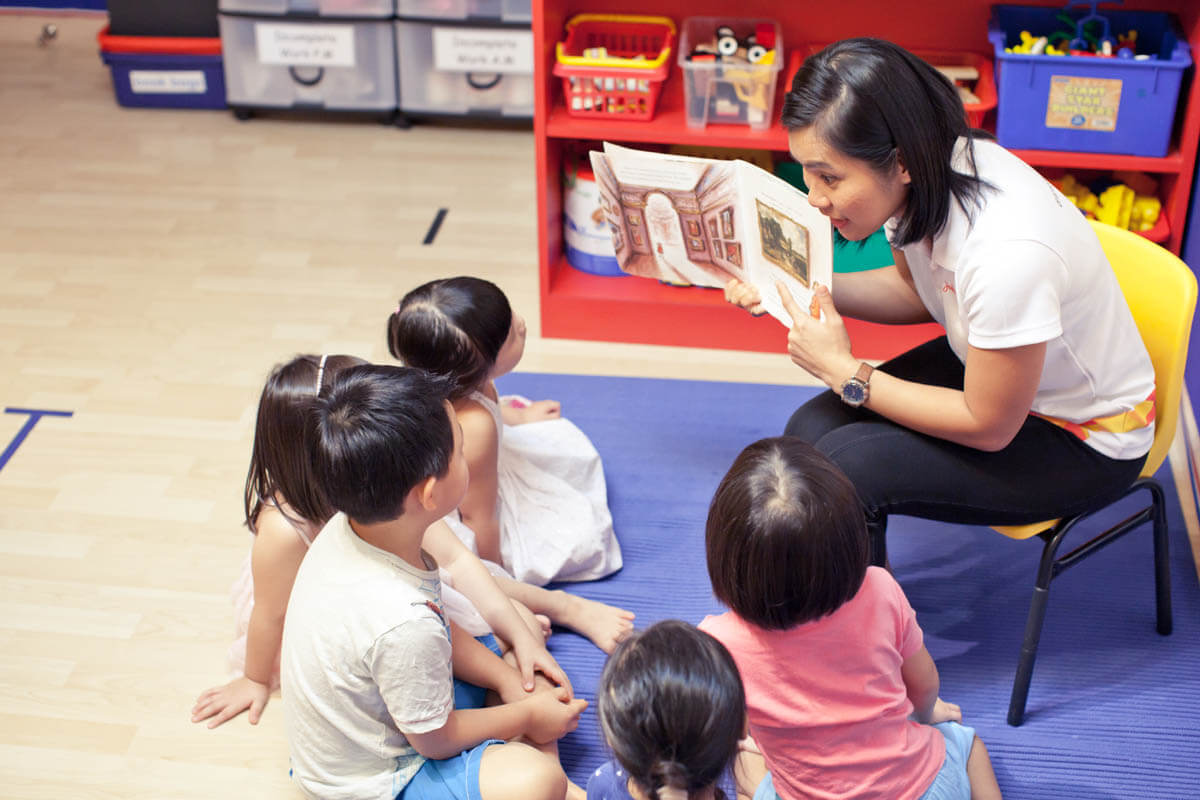
Speech and drama enrichment is a structured learning experience that helps children develop strong verbal communication skills, expressive confidence, and a clear speaking voice. Through interactive activities such as storytelling, role-playing, and speech exercises, children refine their articulation, tone, and pacing.
By engaging in dramatic expression, students learn how to present themselves confidently, modulate their voices effectively, and use facial expressions and gestures to enhance communication. This immersive experience builds a strong foundation for speaking with clarity, ensuring children can express their thoughts fluently and with confidence in any setting.
How Speech and Drama Enrichment Improves Clarity in Speaking
Strengthening Pronunciation and Articulation
Clear speech begins with precise pronunciation. Children often struggle with certain sounds, word endings, or letter blends, which can make their speech unclear. Speech and drama enrichment includes exercises that focus on diction and articulation, helping children develop sharper enunciation. Through tongue twisters, vocal drills, and structured speech exercises, they learn to pronounce words correctly and speak more distinctly.
Developing Control Over Speech Pace and Tone
Speaking too fast can cause words to blur together, while speaking too slowly can make communication feel unnatural. Speech and drama enrichment trains children to regulate their speech pace, ensuring their message is delivered clearly and effectively. Lessons include guided reading, poetry recitation, and dramatic monologues that teach children to control their speed, adjust their tone, and maintain a natural rhythm.
Enhancing Voice Projection and Volume Control
Many children either speak too softly, making it difficult for others to hear them, or too loudly, which can affect the impact of their message. Speech training focuses on proper breath control and vocal projection techniques to help children modulate their volume appropriately for different situations. Whether speaking to a large group or engaging in one-on-one conversations, they learn how to adjust their voice to be heard clearly without straining.
Encouraging Expressiveness and Natural Delivery
Monotone speech can make communication sound dull and unengaging. Speech and drama classes incorporate expressive reading and performance exercises that teach children how to add emotion and emphasis to their words. By practising different tones, facial expressions, and gestures, children learn how to make their speech more engaging and impactful.

The Role of Drama in Teaching Effective Communication
Building Confidence in Public Speaking
Fear of speaking in front of others often leads to mumbling, rushed speech, or avoidance of communication altogether. Drama-based learning helps children become comfortable with public speaking by allowing them to perform in a supportive environment. Role-playing, storytelling, and drama games encourage them to express themselves openly, reducing anxiety and increasing confidence.
Improving Social Communication Skills
Verbal clarity is not just about pronunciation; it is also about interaction. Drama teaches children how to engage with an audience, maintain eye contact, and respond to conversational cues. These skills are essential in both academic and social settings, helping children become effective communicators.
Teaching Active Listening for Better Responses
Good speakers are also good listeners. Drama exercises teach children to pay attention to dialogue, tone shifts, and body language, improving their ability to respond appropriately in conversations. Through improvisation and group performances, they learn how to listen actively and articulate thoughtful responses.
What Parents Should Remember About Speech and Drama Enrichment
Encourage Regular Practice at Home
Developing clear speech requires consistent practice. Encourage children to read aloud, narrate stories, or recite poetry at home to reinforce what they learn in class. Recording their voice and playing it back can also help them identify areas for improvement.
Support a Positive Speaking Environment
Children thrive when they feel encouraged. Providing a safe and supportive space where they can speak without fear of criticism builds their confidence. Praise their efforts, celebrate their progress, and offer constructive feedback to help them refine their skills.
Choose a Structured Programme with Expert Guidance
Not all speech and drama classes offer the same level of instruction. A well-structured speech and drama enrichment programme should include experienced educators, interactive lessons, and personalised feedback to ensure meaningful progress in speech development.
Conclusion
Clear and confident communication is a skill that benefits children for life. Through speech and drama enrichment, children refine their pronunciation, enhance their voice control, and develop expressive speaking skills. This foundation not only helps them perform well in academic settings but also equips them with the confidence to communicate effectively in any situation